







 Blog Posts
Reverse Merger to Go Public: Legal & Regulatory Risks
Posted by Brenda Hamilton, Securities Attorney on August 11, 2026 in Blog Posts- Blog Posts
Choosing the Right Path to the Public Markets: IPO, DPO, Reverse Merger, or Regulation A+
Posted by Brenda Hamilton, Securities Attorney on August 11, 2026 in Blog Posts - Blog Posts
OTC MARKETS GUIDE TO CURING SEC FILING DELINQUENCY AND EXITING THE OTC EXPERT MARKET
Posted by Brenda Hamilton, Securities Attorney on August 11, 2026 in Blog Posts - Uncategorized
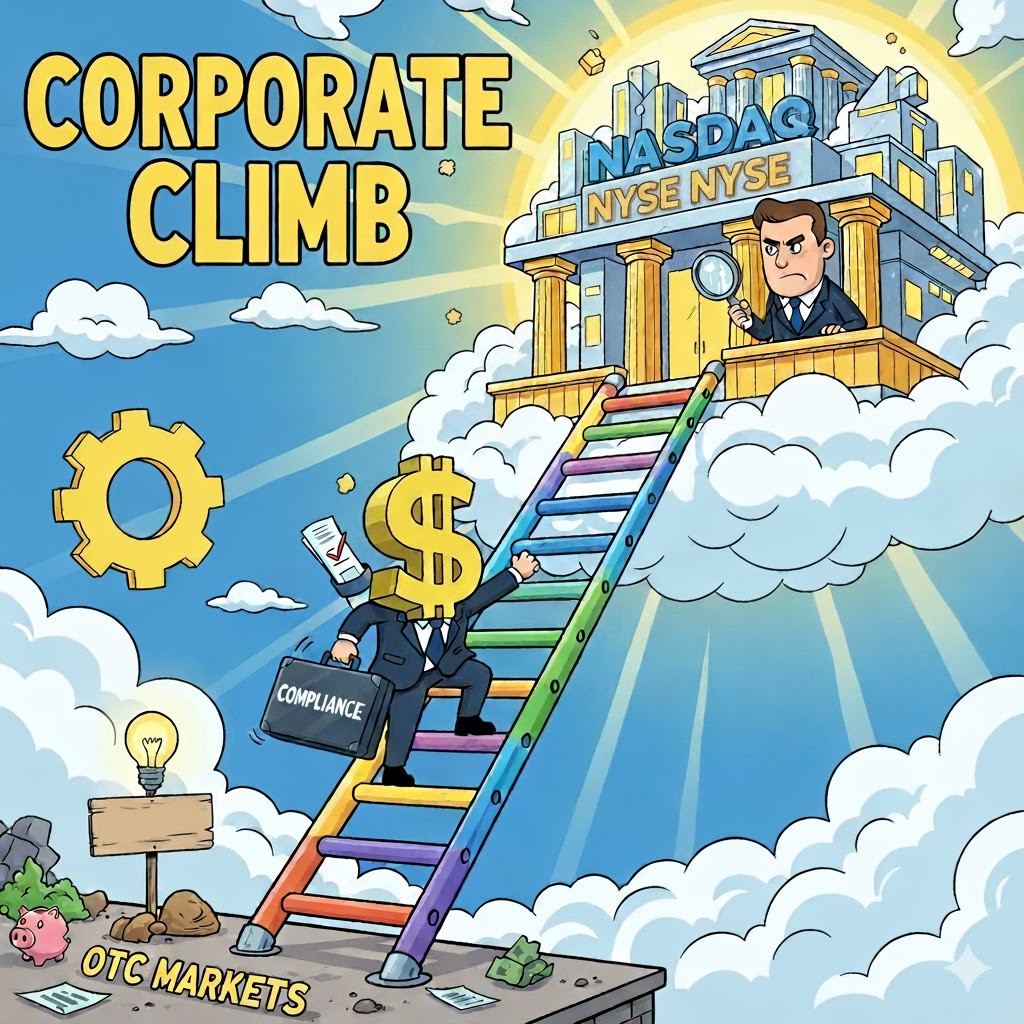
Uplisting from OTC Markets to Nasdaq or NYSE
Posted by Brenda Hamilton, Securities Attorney on October 15, 2025 in Uncategorized - Uncategorized
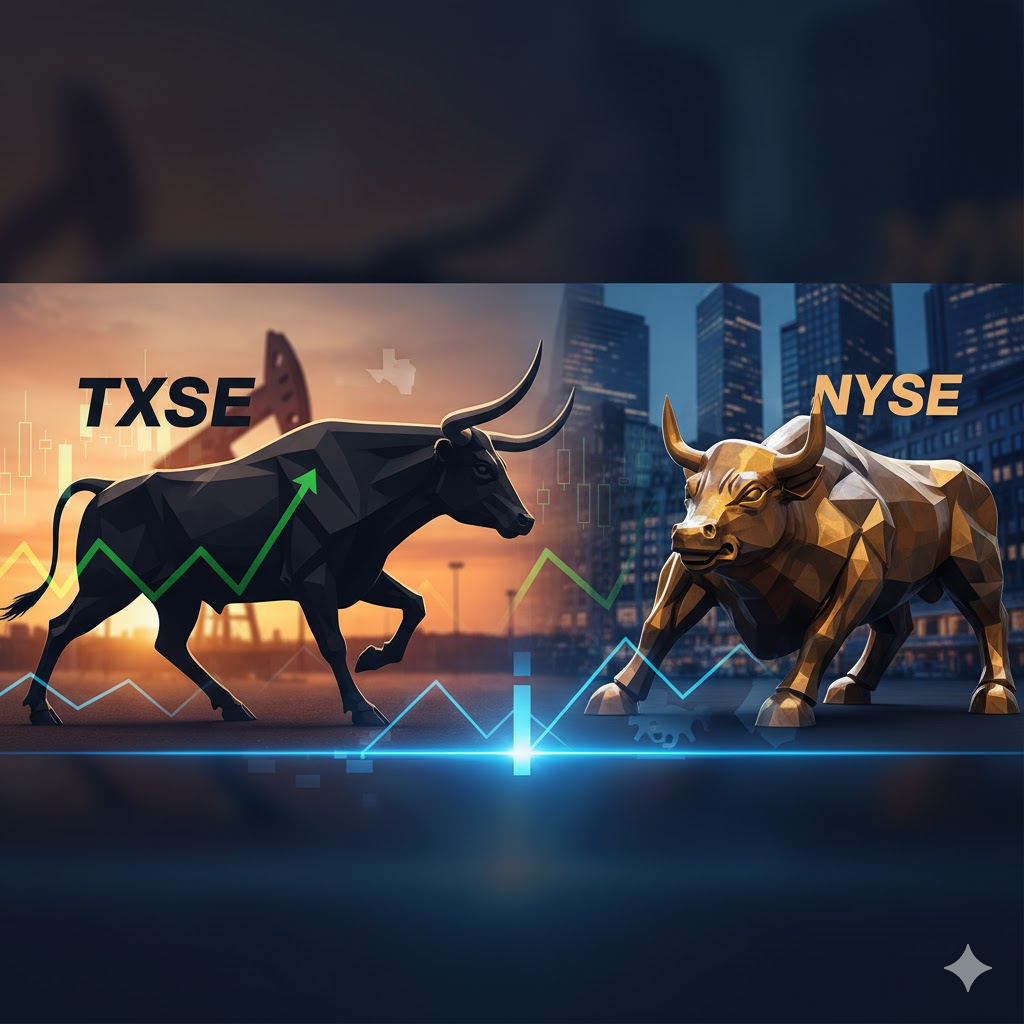
Texas Stock Exchange Nears Launch After SEC Approval — A New Challenger to NYSE and Nasdaq
Posted by Brenda Hamilton, Securities Attorney on October 15, 2025 in Uncategorized - Uncategorized
OTC Markets Direct – Bypassing the Sponsoring Market Maker Under SEC Rule 15c2-11
Posted by Brenda Hamilton, Securities Attorney on October 15, 2025 in Uncategorized - Uncategorized
Uplisting from OTC Markets to Nasdaq or NYSE: The Uplisting Path and Compliance Milestones
Posted by Brenda Hamilton, Securities Attorney on October 15, 2025 in Uncategorized - Uncategorized
Form S-1 vs. Form S-3: A Practitioner’s Guide to Eligibility, Disclosure, and Incorporation by Reference (2025)
Posted by Brenda Hamilton, Securities Attorney on October 15, 2025 in Uncategorized
Featured Articles

Reverse Merger to Go Public: Legal & Regulatory Risks
Choosing the Right Path to the Public Markets: IPO, DPO, Reverse Merger, or Regulation A+
OTC MARKETS GUIDE TO CURING SEC FILING DELINQUENCY AND EXITING THE OTC EXPERT MARKET
Uplisting from OTC Markets to Nasdaq or NYSE
Texas Stock Exchange Nears Launch After SEC Approval — A New Challenger to NYSE and Nasdaq
OTC Markets Direct – Bypassing the Sponsoring Market Maker Under SEC Rule 15c2-11
Uplisting from OTC Markets to Nasdaq or NYSE: The Uplisting Path and Compliance Milestones
Form S-1 vs. Form S-3: A Practitioner’s Guide to Eligibility, Disclosure, and Incorporation by Reference (2025)
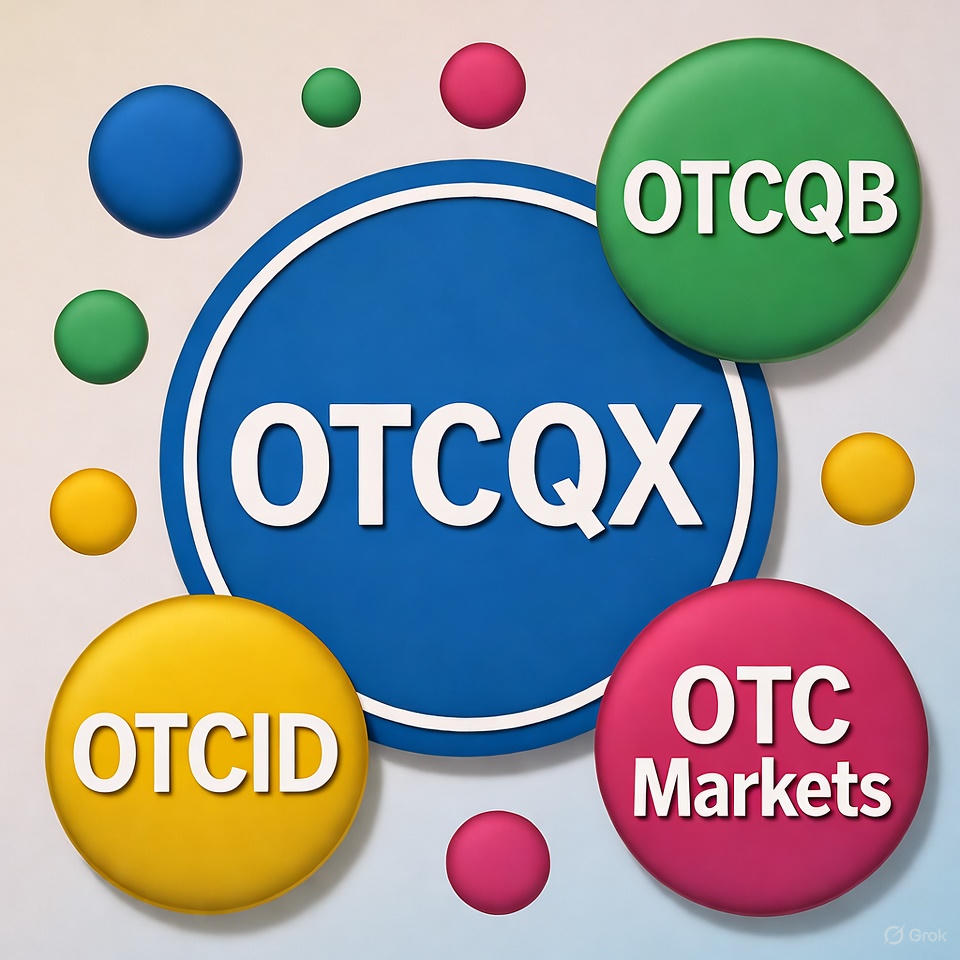
Comparing OTCQX, OTCQB, and OTCID: Which Tier Is Right for Your Company?
OTC Markets Listing for Canadian Issuers
Reverse Mergers:
The role of the Reverse Merger in going public transactions has been a subject of debate for more than a decade because of the inherent potential for abuse. Recent SEC rule changes have dramatically changed the reverse merger industry and eliminated many of the benefits that once existed. These rule changes fundamentally change the reverse merger process. Despite what shell purveyors may state, recent SEC rules make many publicly traded shells companies with no real business or meaningful assets completely useless. For the inexperienced private company seeking public company status, a reverse merger can be a trap. If not done properly, a reverse merger can subject a private company to significant liabilities, and compliance costs with no benefits whatsoever.
Reverse Mergers 101 was created by securities attorneys to demystify the reverse merger process by providing accurate and balanced information about reverse mergers and the regulations applicable to reverse merger transactions and public shell companies.
For the Issuer Going Dark:
At times, public companies may seek private company status while preserving the public vehicle.
Unfortunately, if these going dark transactions are not structured properly even where relying upon the advice of a securities lawyer, management and even shareholders may find itself a target of an SEC Enforcement Action.
Our professionals will assist you in understanding the rules that apply to the use of your company in a reverse merger.
For The Issuer Going Public:
Public Shell Companies can be an expensive proposition for a private company sin a going public transaction. In addition to the cost of a public shell, a reverse merger can be a trap.
If not done properly, a reverse merger can subject a private company to significant liabilities, and compliance costs with no benefits whatsoever.
If you are a private company who was pitched a public shell by a securities lawyer you should not walk – you should run.
For The Reverse Merger Investor:
Investors considering purchasing securities of reverse merger companies should ensure that proper due diligence is conducted.
Investors in public shell companies are often unaware of the securities laws that apply to their investment and their own potential liability.
We will assist you in conducting complete due diligence on issuers and ensuring your compliance with all SEC rules and regulations that apply to reverse mergers.
Assorted Articles

Choosing the Right Path to the Public Markets: IPO, DPO, Reverse Merger, or Regulation A+
